
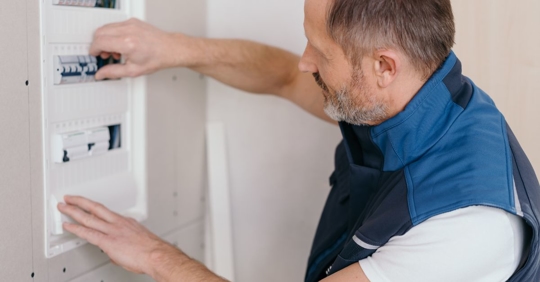
Your home’s electrical system depends on properly functioning circuit breakers to stay safe and reliable. Circuit breakers act as the first line of defense against overloads, short circuits, and other electrical faults that could lead to fires or system failures. When they trip, it’s a sign they’re doing their job—but frequent tripping or other irregularities may indicate a deeper issue.
At Survivor Electric, we help homeowners identify and fix the causes of tripping breakers before they turn into bigger, more dangerous problems. Understanding what causes these issues and how to spot the warning signs can keep your home protected and your power running smoothly.
Common Causes of Circuit Breaker Tripping
Overloaded Circuits
One of the most frequent reasons circuit breakers trip is overloading. This happens when too many appliances or devices are connected to the same circuit, drawing more power than the circuit can safely handle. When this occurs, the breaker automatically shuts off to prevent overheating and reduce fire risk.
If you notice breakers tripping when you use multiple high-demand appliances—like microwaves, space heaters, or hair dryers—it may be time to redistribute your electrical load or upgrade your system.
Short Circuits and Ground Faults
Another common cause of tripping is a short circuit, which happens when a hot wire comes into direct contact with a neutral wire. This results in a sudden surge of electricity that the breaker must stop immediately to prevent damage.
Ground faults occur when a live wire touches a grounded surface or metal outlet box. These are especially dangerous because they can cause electrical shocks. Circuit breakers designed with Ground Fault Circuit Interrupters (GFCIs) offer added protection in these situations, especially in kitchens, bathrooms, and outdoor spaces.
Recognizing the Signs of a Faulty Circuit Breaker
It’s normal for a circuit breaker to trip occasionally, but frequent tripping or inconsistent performance can signal that the breaker itself is faulty. If a breaker won’t reset or trips again immediately after resetting, it could mean the internal mechanism is worn out or damaged.
Other warning signs include a burning smell, scorch marks near the panel, a breaker that feels unusually hot to the touch, or buzzing sounds coming from the electrical panel. These symptoms shouldn’t be ignored—faulty breakers can pose serious safety hazards.
When in doubt, have a licensed electrician inspect your electrical panel to determine whether the breaker or the connected circuit is at fault.
Evaluating Your Electrical Load
Understanding Capacity and Load Balancing
Each home’s electrical system has a defined capacity, measured in amperes (amps). Exceeding that capacity can put stress on your wiring and breakers, increasing the likelihood of trips or even equipment damage.
Balancing your home’s electrical load means distributing appliances and devices across multiple circuits instead of running them all from one. An electrician can calculate your total load, determine if your system is properly balanced, and recommend upgrades such as additional circuits or a panel replacement if your electrical demand has increased over time.
Identifying Overloaded Circuits
You can often spot an overloaded circuit by watching for flickering or dimming lights, outlets that feel warm, or breakers that trip frequently. If your home still uses an older electrical panel, it may not be equipped to handle today’s appliance-heavy lifestyles.
Redistributing devices to separate circuits, unplugging unused appliances, and upgrading your electrical panel can help alleviate overloads and improve overall performance.
Troubleshooting Tripping Circuit Breakers
Simple Troubleshooting Steps
If a breaker trips, start by unplugging all devices on that circuit. Then, reset the breaker by switching it fully off before turning it back on. Gradually plug devices back in one at a time while monitoring for another trip. This helps isolate whether a specific appliance is causing the issue.
Always practice safety first—never touch electrical components with wet hands, and wear rubber-soled shoes when near your breaker panel. A multimeter can also help check for irregular voltage or current fluctuations, but use caution if you’re not familiar with electrical testing.
When to Call a Professional
While DIY steps can resolve simple issues, persistent or recurring breaker trips require a professional inspection. These situations may point to deeper wiring issues, a failing breaker, or even panel damage.
At Survivor Electric, our licensed electricians have the tools and expertise to safely diagnose and repair breaker problems. Whether it’s rewiring, upgrading an outdated panel, or addressing system imbalances, we ensure your home’s electrical system operates safely and efficiently.
Preventive Maintenance and System Upgrades
Routine Electrical Maintenance
Keeping your electrical system in top condition starts with regular maintenance. Periodically check outlets and switches for discoloration, inspect your breaker panel for dust buildup or corrosion, and test your GFCIs monthly to make sure they’re functioning correctly.
Flipping each breaker off and back on once or twice a year can also prevent sticking and ensure they remain responsive. Routine professional inspections can catch early signs of wear, saving you from more costly repairs later.
Upgrading Your Electrical Panel
If your home is more than 20 years old, or if you’ve recently added new appliances or features like EV chargers or hot tubs, upgrading your electrical panel can be a smart move. Modern panels provide greater capacity, enhanced safety features, and compatibility with today’s technology.
Some homeowners are now opting for smart circuit breakers, which allow for real-time monitoring and automatic shutdowns in the event of irregularities. These innovations help improve energy efficiency while giving you peace of mind that your home is protected.
Safety Considerations and Modern Innovations
Safe Practices for Homeowners
Electrical safety begins with awareness. Always turn off the power before inspecting outlets or fixtures, and avoid overloading extension cords or power strips. Installing GFCI and Arc Fault Circuit Interrupter (AFCI) outlets in key areas adds another layer of protection by automatically cutting off power during unsafe conditions.
Using insulated tools and maintaining a dry work environment are small steps that make a big difference in reducing the risk of electrical shock or damage.
Embracing Smart Technology
Smart home technology is transforming how homeowners manage electrical systems. From smart panels to energy monitors, these tools allow you to track electricity use, identify problem areas, and even receive alerts when something’s wrong.
At Survivor Electric, we stay current with these advancements to provide cutting-edge solutions that keep your home safer, more efficient, and better equipped for the future.
If Your Breakers Keep Tripping, Call Survivor Electric
Your home’s circuit breakers are crucial to maintaining a safe and reliable electrical system. Understanding why they trip, how to recognize signs of trouble, and when to call a professional can help you avoid costly and dangerous issues.
For dependable circuit breaker repairs, maintenance, and upgrades, trust Survivor Electric. Our experienced, licensed electricians provide comprehensive solutions designed to keep your home powered safely and efficiently—so you can focus on what matters most.
Call Survivor Electric now at (740) 721-3298 or send us a message online.