
How Generators Ensure Safety and Security
Picture this: a cozy holiday gathering with friends and family enjoying a warm meal, festive lights illuminating the room, and suddenly—the power goes out. Power outages during the holiday season can be more than just an inconvenience; they can pose significant safety and security risks. Security systems dependent on electricity are at risk of failing, leaving homes vulnerable to intrusions and other threats. A generator can be a lifesaver in these situations, as it automatically restores power, ensuring your security systems remain functional. The peace of mind that comes from knowing your home is protected no matter what happens cannot be overstated. During the infamous holiday blackout of 2021, thousands of families experienced security-related issues when the power failed, highlighting the critical need for reliable backup systems.
Generators stand ready as silent heroes, kicking in without a hiccup when the power cuts out unexpectedly. Over the years, statistics have shown an uptick in power interruptions during the holiday season due to increased demand on the grid and adverse weather conditions. These spikes during holidays are a reminder that homeowners must prepare for potential outages. Having a generator ensures that homes are continuously monitored and all essentials remain operational, minimizing risks to family and property. With a generator, you can prevent home security issues, keeping both intruders and unwanted surprises at bay, ensuring your holiday celebrations are safe and sound.
Impacts on Lighting and Communication Systems
Lighting plays a vital role in maintaining a safe and welcoming environment, especially during festive seasons. When a power outage strikes, the risk of accidents increases significantly as families navigate their homes in the dark. Moreover, without proper lighting, homes can also appear unoccupied, making them an easy target for burglars. Generators help by keeping both the interior and exterior lights on, reducing the chance of falls, slips, or unwanted visitors. Reliable lighting is paramount, especially during holiday months when foot traffic and activity are at their peak.
Equally essential is maintaining communication lines. Staying connected with the outside world in emergencies is crucial, and power outages can severely disrupt these channels. Generators play a critical role in keeping phones, internet modems, and other communication devices running seamlessly. During blackouts, they ensure that you can still reach emergency services, family, or neighbors without delay. Their ability to power cellular devices and computer systems means that even a lengthy blackout won't sever your lines of communication. At times when quick decisions and actions are necessary, having a generator to support your communication systems can be a literal lifesaver.
Standby vs. Portable Generators
Choosing the right generator depends largely on your specific needs, and two popular options for homeowners are standby and portable generators, each with their own advantages. Standby generators offer a seamless solution, automatically detecting power loss and starting up to provide uninterrupted electricity. These devices are known for their higher capacity, capable of supporting entire home systems, including heating, cooling, and lighting—making them ideal for extended outages during holiday seasons when power might be crucial for comfort and security. Their permanence and reliability make them invaluable for prolonged use, even during the busiest times of the year.
On the flip side, portable generators are appreciated for their mobility and flexibility. While they might not power an entire house, they are perfect for keeping essential appliances or devices running in times of short outages. Their compact size makes them easy to store when not in use, and they can be easily transported to different locations as needed. Ideal for smaller setups, they provide an excellent balance of convenience and versatility, making them a preferred choice for many who need a temporary, quick, and effective solution to energy disruptions.
Fuel Sources and Efficiency
Understanding the types of fuel that generators use can help you make an informed decision about which one best suits your needs. The common options in the market are gasoline, diesel, propane, and natural gas, each with distinct features. Gasoline generators are widely available, easy to start but often require proper care to ensure storage, especially when reserves run low over the holidays. Diesel generators are known for their efficiency and longer runtime but tend to be bulkier and noisier. Propane and natural gas offer cleaner alternatives with efficiency benefits, albeit requiring connections to home pipelines or larger storage tanks.
Efficiency of a generator is often linked to its fuel options and consumption rates. It's crucial to factor this in during decision-making, especially when considering long spells of outages. For example, while gasoline may be readily available, propane offers longer shelf life and stability. Diesel, while generally efficient, may not be the easiest option for every home. Understanding these variables allows for maximizing both the operation time and environmental benefits, ensuring you have power when, and where, it's needed most.
Professional Installation vs. DIY
When it comes to installing a generator, weighing the options between professional installation and a DIY approach is crucial. Professional installation offers numerous advantages: experts ensure the system is set up correctly, efficiently, and safely, often accompanied by warranties, protecting your investment. They understand complexities like adequate ventilation and spacing to prevent hazards like carbon monoxide poisoning, making sure that all regulatory requirements are fulfilled, and providing peace of mind that your generator will function correctly when needed most.
For the determined DIY enthusiast, installing a generator can seem like a cost-saving and rewarding project. However, it necessitates thorough research and strict adherence to safety guidelines. This includes understanding local codes, ensuring safe distances from windows and vents, and using the right equipment to prevent mishaps. Moreover, if you opt for DIY, make certain to follow the manufacturer's instructions closely, investing time to familiarize yourself with each step to avoid any future issues.
Routine Maintenance Checks
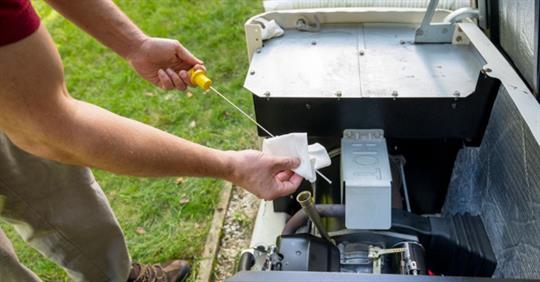
Just as maintaining a car is vital for optimal performance, so too is maintaining your generator. Regular maintenance ensures that your equipment is ready to handle power emergencies effortlessly. Key tasks such as oil changes, air filter replacements, and load testing should be conducted generally before heavy usage periods like the holidays. These simple yet essential tasks go a long way in ensuring your generator's reliability and longevity.
Having a checklist for pre-holiday maintenance can be incredibly useful. This should include observing fuel levels, checking and replacing batteries if needed, and running the generator under full load to check its performance. Regular maintenance not only improves the lifespan but also boosts efficiency, reducing the likelihood of facing breakdowns during critical moments when power is most necessary.
Cost Considerations and Budgeting
The financial aspect of generator ownership is an important consideration for any homeowner. Initial costs can vary widely depending on the type and capacity of the generator, with standby units typically costing more than portable ones. However, these costs need to be weighed against the long-term benefits and savings, such as reduced utility bills during outages and potential incremental value to your home. In areas prone to outages, having a generator could also lead to lower home insurance premiums, as it decreases risk factors significantly.
Making a budget plan for purchasing a generator includes understanding not just the cost of the equipment itself, but also installation fees and potential maintenance expenses. Moreover, spreading the investment over time by considering financing options can alleviate the upfront financial burden. Planning for these costs strategically ensures you can enjoy the benefits of peace and security without financial strain.
Available Discounts and Incentives
Investing in a generator does not necessarily have to be a huge financial burden. Various rebates and incentives at the government or local level can make purchasing and installing generators more affordable. These incentives not only help reduce initial costs but are designed to encourage energy efficiency and safety preparations among homeowners. Checking into available programs specific to Ohio can yield surprising benefits, especially for those residing in regions prone to power interruptions.
Additionally, as with many home appliances, seasonal discounts often accompany promotional periods, such as around the holidays. These opportunities can provide significant savings, making it an opportune time to purchase. Alongside these, considering financial assistance options for essential home improvements can bridge financial gaps, making the investment more accessible for families dedicated to safeguarding their homes.
Ensuring Safe Operation
Operating a generator safely involves a host of precautions that should never be overlooked. One critical measure is installing carbon monoxide detectors, which are vital for homes equipped with generators powered by fossil fuels. Correct placement of these detectors ensures that any potential gas leakage is identified quickly, preventing hazardous situations. Safe operation also includes guidelines for refueling—the generator should always be turned off and allowed to cool down before adding fuel, reducing the risk of ignition.
During the holiday season, when safety is paramount, familiarizing yourself with emergency shutdown procedures and ensuring that your generator is stored securely post-season can prevent future accidents. Storing the generator with the right safety measures can protect not only your equipment but also your property and family by mitigating risks associated with improper handling.
Understanding Local Regulations
Before installing a generator, homeowners should familiarize themselves with local regulations to avoid legal complications. Zoning laws may dictate where you can place a generator, considering noise restrictions to ensure your generator doesn't become a nuisance to neighbors. Building permits may be required to set up larger units, especially those involving permanent installations like standby generators.
These regulations can affect the feasibility of certain types of generators in designated residential areas. Understanding your responsibilities regarding generator operation ensures compliance with all local laws and provides a seamless experience with minimal setbacks, keeping your generator activities entirely above board.
Safeguard Your Home Festivities with Survivor Electric
As peaceful holiday celebrations approach, ensure your festivities remain enjoyable and hassle-free. Survivor Electric is committed to helping you select, install, and maintain the perfect generator for your needs. Our professionals provide unmatched expertise, ensuring your home stays lit and connected even during the unexpected. Don't wait until you're left in the dark; contact Survivor Electric today to discover how a generator can safeguard your home during the holidays and beyond. Together, we can make sure your holiday gatherings are memorable for all the right reasons.
Reach out by phone at (740) 721-3298 or send us a message online.