
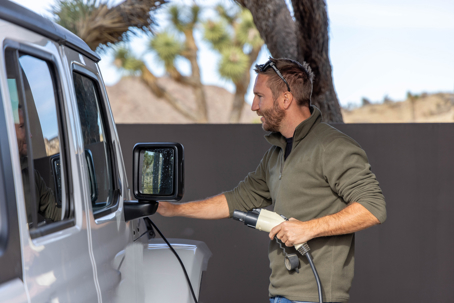
Stepping into the world of electric vehicles is an exciting move for any Central Ohio homeowner. Instead of stopping at the gas station, you get the convenience of filling up right in your own driveway or garage. However, bringing an EV home involves more than just picking out a car; it requires making sure your house is ready for the new power demand. Understanding how your home’s electrical system interacts with a charging station is the first step toward a safe and efficient transition.
Understanding Your Charging Options
When you bring home an EV, you have two main ways to charge it at your house. Most cars come with a basic cord that plugs into a standard three-prong wall outlet, which is known as level 1 charging. While this is the simplest method, it is also the slowest, often adding only about three to five miles of range per hour. This might work if you don't drive much, but most people find it hard to get a full charge overnight.
Level 2 charging is the preferred choice for most homeowners because it uses a 240-volt circuit—the same kind used for a heavy-duty clothes dryer. This setup can charge your car significantly faster, usually filling the battery in just a few hours. To make this work, you need a dedicated circuit and a wall-mounted charging station. Choosing the right level depends on how many miles you typically drive in a single day and the size of your vehicle’s battery.
Evaluating Your Home’s Electrical Capacity
Before you install a faster charger, you need to know if your electrical panel can handle the extra weight. Think of your electrical panel like a heart; it pumps power to your whole house, like the kitchen, the AC, and the lights. Adding an EV charger is like asking that heart to run a marathon every single night. If your panel is already full or is an older model, it might not have enough room to safely add a high-power circuit.
A professional will look at your total load, which is the sum of all the electricity your home uses at its busiest times. If you have electric heating, a hot tub, or multiple large appliances, you might be pushing the limits of your current service. In some cases, a homeowner might need to increase their home's total power capacity before the charger can be safely used.
You should keep an eye out for these physical signs that your system is already under stress:
- Flickering lights when the dishwasher or air conditioner kicks on.
- Breakers that trip frequently when you use more than one appliance at a time.
- An electrical panel that feels warm to the touch or makes faint buzzing noises.
The Importance of Professional Installation
Installing a level 2 charger isn't a typical weekend DIY project because it involves high-voltage electricity and strict safety codes. In Ohio, these installations must follow specific rules to prevent overheating and fire risks. A proper setup ensures that the wires used are thick enough to carry the heavy current for hours at a time without getting too hot. This is different from a toaster or a vacuum, which only pulls power for a few minutes.
Beyond just the wires, a professional ensures the charger is grounded correctly. This is a safety feature that gives electricity a safe path to the earth if something goes wrong, protecting you from a shock. When these steps are skipped, you risk damaging your expensive new car or, worse, causing an electrical fire. Following the right technical standards helps protect your investment and your home.
Where to Place Your Charging Station
Finding the right spot for your charger is about more than just where it looks best. You want it to be in a place where the cord can easily reach the charging port on your car without being stretched or becoming a tripping hazard. Most people choose the garage, but if you park in the driveway, you’ll need a charger that is specifically rated for outdoor weather. Cold Ohio winters and heavy rain mean the equipment must be sealed perfectly against the elements.
You should also think about future-proofing. Even if you only have one electric car now, you might have two in the future. Placing the charger in a central spot between garage bays can save you from having to move the station later.
Consider these practical steps when mapping out your garage or driveway setup:
- Check which side of your car the charging port is on before mounting the station.
- Mount the station at a height where it is easy to plug in, but away from swinging car doors.
- Ensure there is enough space around the station for the cord to be coiled up neatly.
Investing in Long-Term Electrical Safety
Preparing your home for an electric vehicle is a smart way to embrace modern technology while keeping your household secure. By focusing on capacity, proper placement, and high-quality equipment, you ensure that your car stays ready for the road without putting stress on your home's infrastructure. Making these upgrades the right way prevents small issues from turning into major repairs down the line, giving you peace of mind every time you plug in your vehicle.
Survivor Electric understands the technical requirements of bringing high-speed power into your garage or driveway. Our team provides specialized services for electric car chargers and can perform the necessary wiring and rewiring to ensure your home meets all modern safety standards. Whether your project involves new construction or an update to an older property, we handle the project design and engineering to create a code-compliant solution that fits your specific needs.
If you are ready to upgrade your home’s power, contact us today or call our team at (740) 721-3298 to ensure your charging setup is safe and reliable!